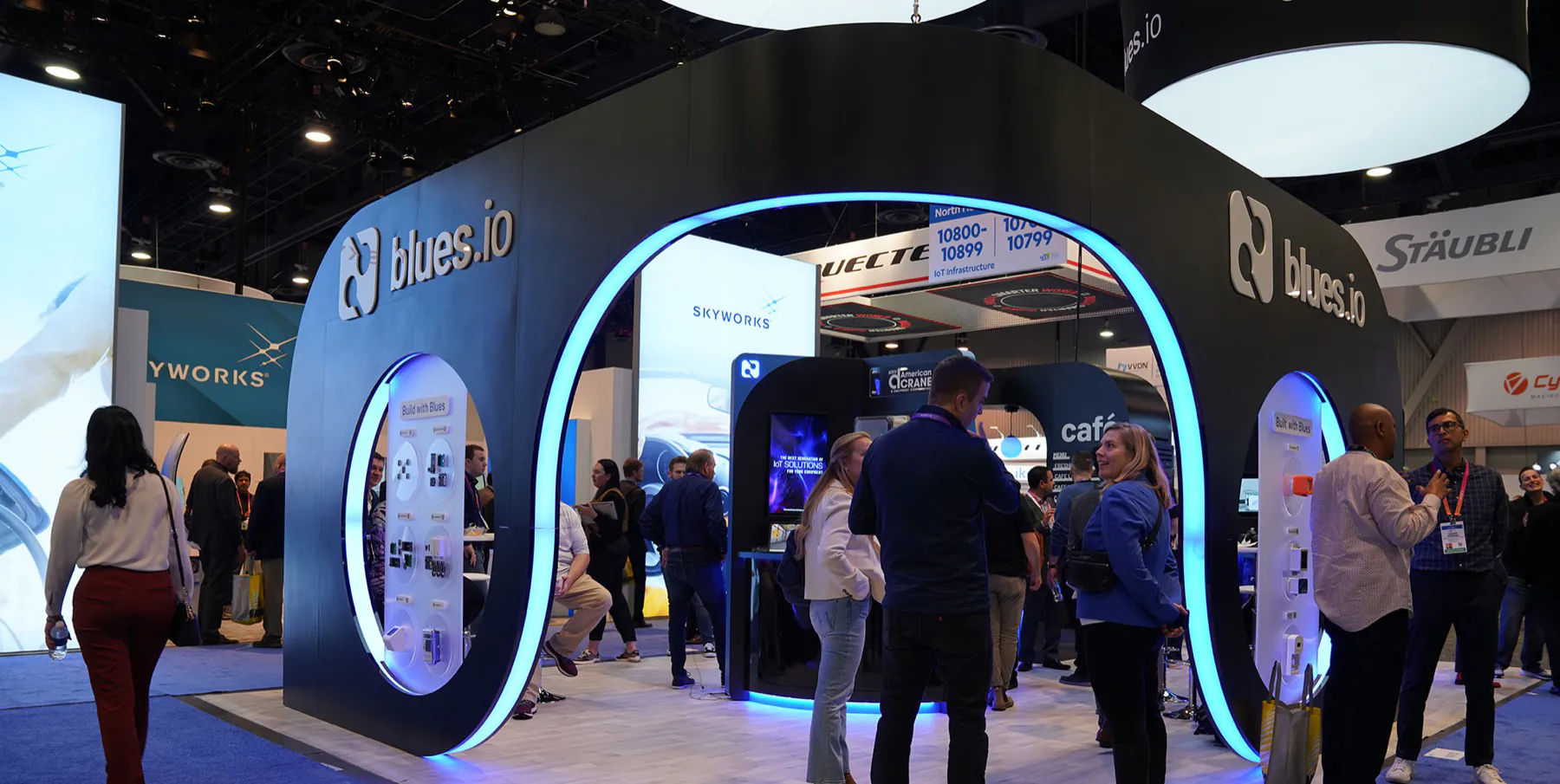

Trade shows are fast-paced, high-competition environments — and getting noticed is only half the battle. The real challenge? Getting attendees to stop, engage, and remember you long after the event ends.
That’s where interactive booth elements come into play. More than just attention-grabbers, they transform passive visitors into active participants — and those are the people far more likely to convert.
In this post, we’ll explore how interactive features impact engagement, the different types you can incorporate, and how to choose the right ones for your booth and brand goals.
Why Interactivity Matters
Interactivity changes the dynamic of a trade show experience. Instead of standing at a booth and being pitched to, attendees become part of the experience — and that shift in control leads to:
- Longer dwell times
- Higher lead conversion
- Better retention of your brand and message
- Increased social sharing and word-of-mouth
Simply put: If your booth can do something — not just show something — you’re going to get more attention and better results.
The Psychology of Engagement
When someone interacts with your booth, they’re not just watching — they’re participating. This activates multiple senses, creates a personalized experience, and makes them feel more emotionally connected to your brand.
Interactive elements can also:
- Satisfy curiosity
- Provide a sense of control
- Encourage exploration and discovery
- Make the experience more memorable and enjoyable
Types of Interactive Booth Elements (and When to Use Them)
1. Touchscreens & Digital Displays
These are among the most versatile tools for interactivity. Use them for:
- Product demos
- Quizzes or assessments
- Virtual catalogs
- Customer testimonials or case studies
Best for:
Tech, software, education, or any brand with complex products that benefit from visual explanation.
2. AR/VR Experiences
Augmented and virtual reality can create immersive experiences that transport attendees into a new world — ideal for storytelling, product previews, or spatial experiences.
Best for:
Real estate, automotive, architecture, tourism, and brands seeking a “wow” factor.
Pro tip: Ensure it’s intuitive and doesn’t require long staff explanations — keep the learning curve low.
3. Live Product Demonstrations
There’s no substitute for seeing something in action. A hands-on demo:
- Builds credibility
- Encourages questions
- Shows real-world use
Best for:
Tools, appliances, beauty products, food and beverage, and anything tactile or process-driven.
Tip: Schedule short, repeatable demos and announce them with signage or lighting cues.
4. Gamification & Contests
Games are fun, social, and reward-driven. Examples include:
- Spin-to-win wheels
- Digital trivia
- Leaderboards or time-based challenges
- Augmented scavenger hunts
Best for:
Brands targeting younger or competitive audiences, or those seeking higher foot traffic and engagement.
Tip: Tie the game to a product message or learning goal to make it more than just entertainment.
5. Social Media Activation
Encourage visitors to interact online as well as in person:
- Photo walls or branded selfie spots
- Hashtag contests
- Live event check-ins or QR scans
- Instant-print photo booths with your logo
Best for:
Brands looking to expand their reach beyond the show floor and generate digital buzz.
How to Choose the Right Interactive Elements
Not every interactive element is right for every brand. Ask yourself:
-
What’s the core message we’re trying to communicate?
- Match interactivity to your booth’s main objective.
-
Who is our audience?
- Are they tech-savvy? Competitive? Detail-oriented? Time-crunched?
-
How much time will the average attendee spend in our booth?
- Quick games and visuals work for short visits, while VR or deep demos work better for high-intent leads.
-
How will we staff and manage the experience?
- Make sure you have the team to guide, reset, and monitor each activity.
-
Can we capture data or leads through this interaction?
- Interactivity is a great lead generation tool — especially if it includes email opt-ins, survey responses, or QR code tracking.
Measuring the ROI of Interactivity
Great interactive elements do more than entertain — they support your event goals. To measure impact, track:
- Booth dwell time
- Lead capture rates
- Engagement counts (touchscreen taps, scans, game entries)
- Follow-up email opens and conversions
- Social media mentions or shares
You can even A/B test booth designs at different shows to see which interactive features drive better results.
Final Thoughts
Interactivity turns a static booth into an experience — and experiences are what people remember. Whether you’re using tech, games, or good old-fashioned demos, interactive elements deepen engagement, boost retention, and increase your ROI.
The key is to align interactivity with your brand personality, goals, and audience expectations. With the right strategy, even a simple interactive feature can transform your booth from forgettable to unmissable.
Need help designing a booth experience that goes beyond the basics? We help brands bring engagement to life — whether you’re going high-tech or hands-on. We recommend ExpoMarketing.