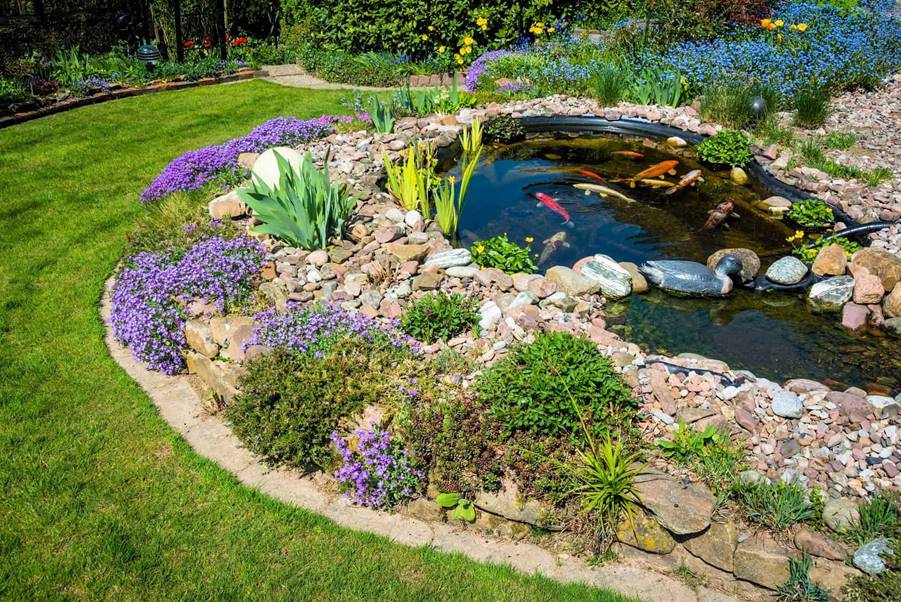

A clear and well-maintained pond doesn’t mean adding a few lilies or purchasing expensive koi. The true miracle happens deep down in the water where the filtration system runs quietly and efficiently running the show. Whether you have a sparkling clear water pond or a cloudy swamp, no matter what size your pond is, whether it’s a small garden pond or a wild one that stretches all across your yard, it is the right filtration system that determines a clear pond.
Significance of Pond Filters
A pond filter does the heavy-lifting. It can trap dirt, decompose waste, and maintain the balance of the ecosystem so that fish don’t suffocate and plants don’t rot. If you bypass the proper system, you will have to deal with water that looks green, algae clumps forming all over and that odor that nobody wants to mention but is definitely there.
In London, a lot of pond owners swear by That Pond Guy. They don’t just toss you a box and say “good luck.” They match the filter to your pond’s quirks—depth, wildlife, flow, all of it. That bit of attention means clearer water and fewer weekends spent elbow-deep in sludge.
Types of Pond Filters
Not every filter does the same job. Here’s the breakdown.
- Mechanical Filters – These grab the visible junk like leaves, fish waste, and silt. Think of them as the pond’s first defense line, pulling out the stuff you can actually see before it breaks down.
- Biological Filters – At a smaller, microscopic scale, biological filters perform the best. They have bacterial colonies inside them which digest toxins such as ammonia and nitrite released from fish waste and decaying plants. This whole operation is a transformation of the nasty substances to the harmless ones, thus maintaining balanced water chemistry, particularly in the areas where the algae growth tendency is high due to the sunlight.
- UV Clarifiers – These are not filters word but are generally paired with filtration systems. It is very useful if your pond is receiving a lot of sunlight most of the day, due to which the growth of algae proliferates. Ultraviolet light gets rid of algae cells before your pond turns green.
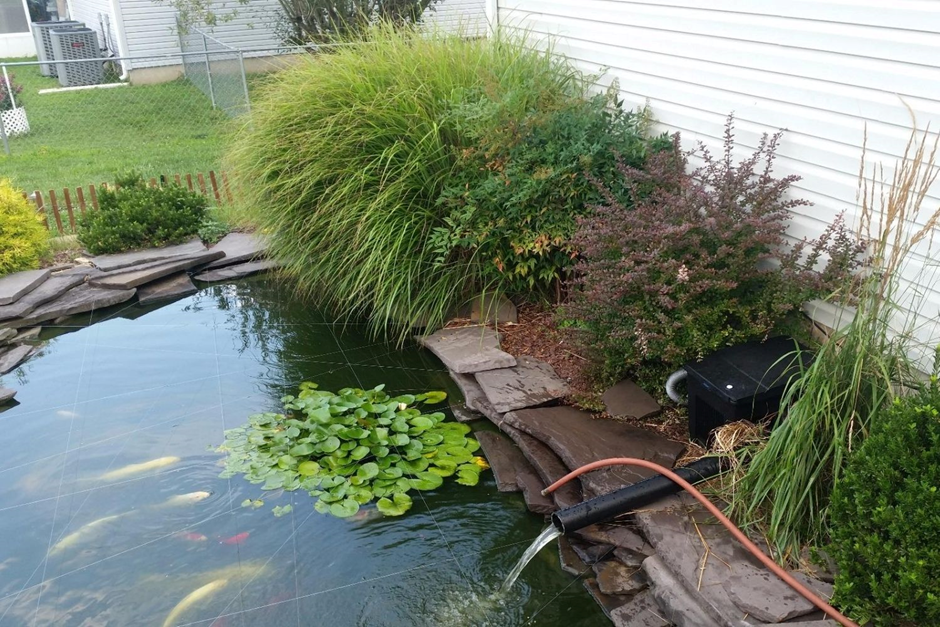
Choosing the right System
Picking the right setup isn’t complicated, just a little consideration regarding certain factors.
- Pond size: Bigger pond means stronger filter as they have to deal with large water volume.
- Fish count: More fish means more waste—go heavier on biological filtration.
- Sunlight: Too much sun? Add a UV clarifier to eradicate the algae.
- Water features: Waterfalls look great and help with aeration but can mess with flow rates, so match your system accordingly.
Keeping It Natural and Clear
Even the best system needs care. Rinse mechanical filters often, don’t dump too much fish food, and cut back dead plants before they start rotting. Excess can stress the system. If you are busy, you will desire for less maintenance, so go for models with self-cleaning functions or filters designed specifically for wildlife ponds as they can clean themselves.
Final Thoughts
Expensive filters are not necessarily the finest but the one that fits your pond’s cycle is the best. Once you have got that match, the water stays clear, the fish flourish, and you spend more time enjoying the view rather than worrying about fixing it. Clean water doesn’t happen by luck. It is all about a filter that quietly does its job every day.