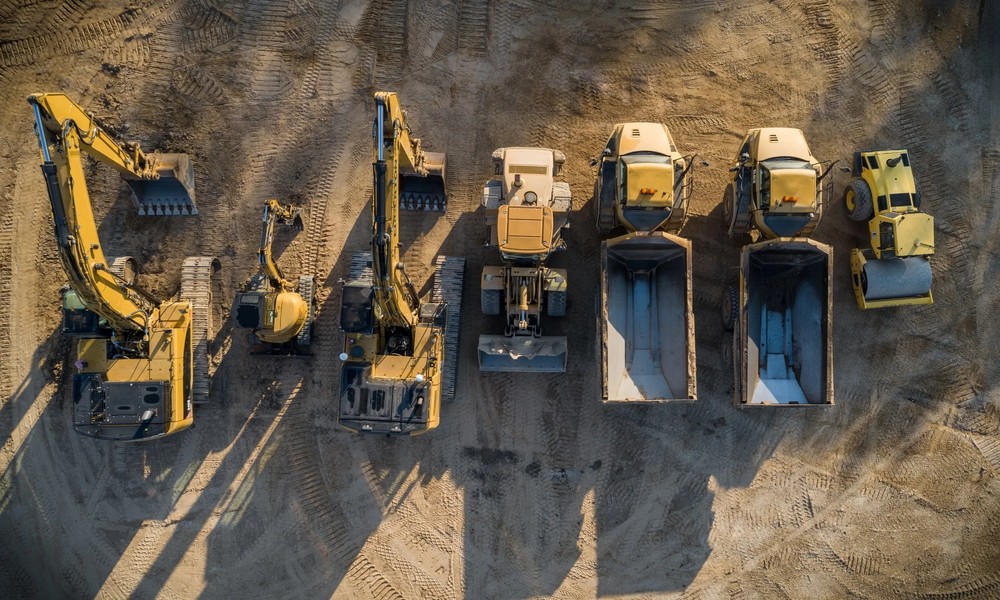

In the construction industry, decisions are rarely based on surface-level costs alone. While it may seem straightforward to compare the price of renting versus buying machinery, the true financial picture runs much deeper. Heavy construction equipment rental decisions are shaped by a combination of operational efficiency, financial flexibility, risk management, and long-term project planning. Understanding these hidden economics can help contractors and project managers make smarter, more profitable choices.
The Real Cost Of Ownership
Owning heavy equipment involves far more than the initial purchase price. Contractors must consider maintenance, repairs, insurance, storage, and transportation costs. Over time, these expenses can significantly increase the total cost of ownership. Equipment also depreciates, often losing value quickly as newer models enter the market with improved technology and efficiency.
In contrast, rental eliminates many of these ongoing costs. Businesses only pay for equipment when they need it, allowing them to allocate capital more efficiently. This flexibility becomes especially valuable for companies managing multiple projects with varying equipment needs.
Cash Flow And Financial Flexibility
One of the most overlooked factors in equipment decisions is cash flow. The acquisition of weighty machinery necessitates a substantial initial investment, which can impede a company’s capacity to pursue new opportunities and strain its finances. Renting, on the other hand, spreads costs over time and keeps cash available for other critical expenses such as labor, materials, and project expansion.
For growing contractors, maintaining liquidity is often more important than owning assets. Rental allows them to remain agile and responsive to changing project demands without being tied down by long-term financial commitments.
Utilization Rates And Efficiency
Another key economic consideration is equipment utilization. Owning machinery only makes sense if it is used consistently. Idle equipment represents wasted capital, as it continues to incur costs without generating revenue.
Rental provides a solution by aligning equipment use directly with project timelines. Contractors can access the right machinery exactly when needed and return it once the job is complete. This approach ensures that resources are always working efficiently rather than sitting unused.
Maintenance And Downtime Risks
Unexpected breakdowns can disrupt project timelines and lead to costly delays. A company is accountable for all maintenance and repairs when it possesses its equipment, which can be both costly and time-consuming.
Rental providers typically handle maintenance and ensure that equipment is in optimal working condition. If an issue arises, they often provide quick replacements, minimizing downtime. This reliability can translate into significant cost savings, especially on large-scale projects where delays can have a ripple effect on budgets and schedules.
Access To Advanced Technology
The construction industry is constantly evolving, with new equipment offering improved performance, fuel efficiency, and safety features. Owning machinery can limit a company’s ability to keep up with these advancements, as upgrading equipment requires additional investment.
Rental allows contractors to access the latest technology without the burden of ownership. This not only improves productivity but also enhances project outcomes by using more efficient and capable machinery.
Risk Management And Project Variability
Construction projects are inherently unpredictable. Changes in scope, delays, or cancellations can impact equipment needs. Owning machinery in such situations can become a financial liability, as the equipment may no longer be required.
Rental provides a level of risk management by offering flexibility. Companies can scale their equipment usage up or down based on project requirements, reducing exposure to financial uncertainty. This adaptability is particularly valuable in industries where demand can fluctuate.
Tax And Accounting Advantages
From a financial perspective, renting equipment can offer tax benefits. Rental payments are often considered operating expenses, which can be deducted from taxable income. In contrast, purchased equipment is typically treated as a capital asset and depreciated over time.
This difference in accounting treatment can have a meaningful impact on a company’s financial statements and overall tax strategy. By choosing rental, businesses may improve their short-term financial position while maintaining operational efficiency.
Strategic Decision Making
Ultimately, the choice between renting and owning heavy construction equipment is not just a financial decision but a strategic one. In order to ascertain the optimal strategy, organizations must assess their project pipeline, growth plans, and risk tolerance.
Rental is not always the right choice for every situation, especially for equipment that is used continuously. However, for many contractors, the hidden economic benefits of rental, such as flexibility, reduced risk, and improved cash flow, outweigh the perceived advantages of ownership.
Conclusion
Heavy construction equipment rental decisions go far beyond simple cost comparisons. They involve a complex interplay of financial, operational, and strategic factors. By understanding the hidden economics behind these decisions, contractors can optimize their resources, reduce risks, and position themselves for long-term success in an industry where margins are tight and competition is high. Making informed equipment choices can be the difference between profitability and missed opportunities.