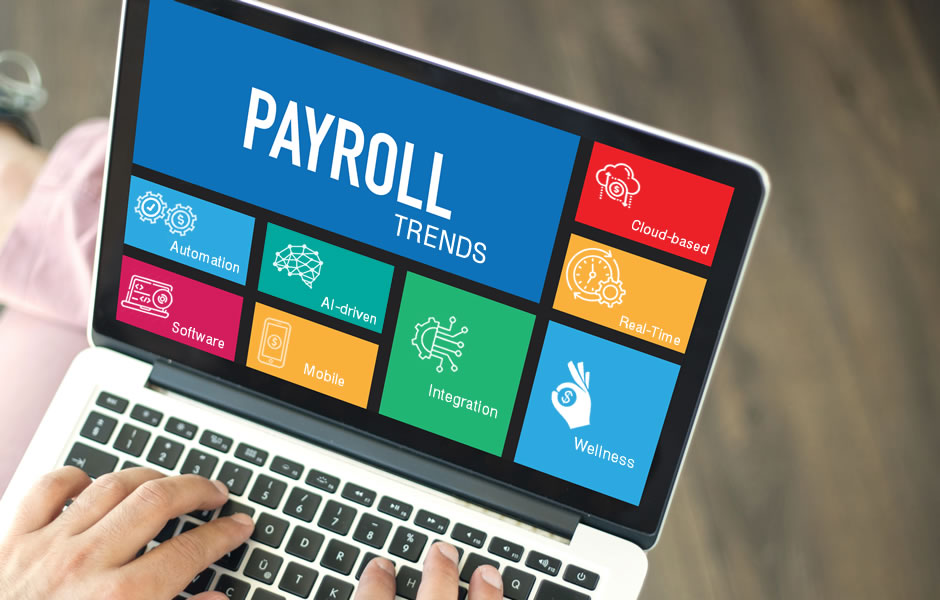

Payroll management is one of those functions you don’t really think about until something goes wrong. One missed CPF contribution, a miscalculated tax deduction, or a late payslip can lead to frustrated employees, financial penalties, and a whole lot of HR headaches.
As we move closer to 2026, Singaporean businesses, especially SMEs, are facing new expectations, not just from employees and regulators, but from the pace of digital transformation itself. And payroll? It’s right at the centre of it.
If you’re still using spreadsheets, basic accounting tools, or a legacy system that needs constant manual updates, it might be time to look ahead. In this article, we’ll break down the top payroll software trends and how your business can prepare for what’s next.
1. Cloud-Based Payroll Will Be the Norm (If It Isn’t Already)
Let’s start with the most obvious trend: cloud-based payroll systems in Singapore are here to stay, and they’re only getting better.
Why it matters:
- You can access payroll data anytime, anywhere—perfect for hybrid teams
- Updates (like tax changes or CPF rates) happen automatically
- No more dealing with clunky software installs or version mismatches
In 2026, having a cloud-based system won’t be considered an upgrade—it’ll be the bare minimum. Employers who are still tied to desktop-only software or manual calculations may struggle to stay compliant and efficient.
Popular in Singapore: Million Payroll, AutoCount Payroll Cloud, and Payboy have made strong moves in this space.
2. Built-in Compliance with IRAS and CPF Will Be Essential
Singapore’s regulatory environment is known for being efficient, but also precise. With the Inland Revenue Authority of Singapore (IRAS) and Central Provident Fund (CPF) schemes updating policies regularly, payroll software needs to stay up to date without you having to manually tweak formulas.
What to look for:
- Auto-updated tax tables
- CPF calculator built-in
- Auto-generated IR8A and AIS files for easy submission
- Direct submission features to the IRAS and CPF portals
By 2026, businesses will favour solutions that remove the risk of non-compliance entirely. The days of manually submitting forms and worrying about statutory deductions are numbered.
3. Integration with HR, Accounting, and Leave Modules
Payroll doesn’t work in a vacuum. It’s closely tied to HR functions like attendance, leave, and performance tracking—not to mention accounting and tax reporting.
That’s why modern payroll software is becoming part of all-in-one platforms or offering seamless integrations with other digital tools.
For example:
- Time and attendance tools feed data directly into payroll
- Approved leave days are reflected in salary calculations automatically
- Payroll journals are pushed into accounting software like AutoCount or Xero
Tip for SMEs: Even if you don’t need every module now, choose a payroll solution that lets you scale later.
4. Digital Payslips and Employee Self-Service Are Standard
Employees today expect convenience—and paper payslips just don’t cut it anymore.
By 2026, businesses will be expected to offer:
- Secure digital payslips via email or app
- Employee portals to view past payslips, tax forms, and leave balances
- Self-service features to update bank details or request documents
This doesn’t just boost employee satisfaction—it also reduces admin time for your HR team.
Mobile-first platforms are becoming more common, especially for SMEs with distributed or frontline teams.
5. E-Invoicing Integration Will Become Relevant for Some Employers
With Singapore’s InvoiceNow framework gaining traction, some businesses will benefit from integrating payroll and invoicing systems, especially if they work on a project or contract basis.
Imagine this:
- A contractor logs hours in a time-tracking tool
- Their billable time is approved by a manager
- Payroll is processed and an invoice is sent to the client—all automatically
It’s niche for now, but by 2026, we may see more payroll systems offering e-invoicing integration, especially for service-based SMEs and freelance-heavy teams.
6. Automation Will Reduce Manual Work Even Further
We’re moving into an era where payroll tasks are becoming more proactive than reactive. The latest systems already offer:
- Auto-reminders for pay runs and tax filing deadlines
- Automated CPF contributions with payment scheduling
- Recurring salary payments for full-timers
- Rule-based automation (e.g., flagging employees close to OT thresholds)
This is more than just convenience—it helps reduce errors and ensures compliance with Singapore’s Employment Act and CPF regulations.
Keep an eye out for: Payroll systems with built-in custom automation workflows tailored to your company policies.
7. AI Will Start to Play a Role—Even for SMEs
While AI in payroll isn’t mainstream yet, we’re seeing the beginnings of intelligent features such as:
- Predictive payroll costs (based on staff patterns and shift rosters)
- AI-assisted compliance checks
- Chatbots for answering basic HR/payroll queries
In 2026, AI won’t replace your payroll team—but it will definitely make their work faster, smarter, and less repetitive.
How to Prepare for These Trends (Without Overhauling Everything)
Not sure where to start? Here’s a simple plan:
Audit your current payroll system
- Is it cloud-based?
- Does it auto-update CPF/tax rates?
- Can employees access payslips digitally?
List the pain points
- Do you spend too much time on monthly pay runs?
- Are your submissions to IRAS still manual?
Look for scalable solutions
Choose a payroll provider that grows with your business—whether you’re hiring 5 or 50 people next year.
Check for PSG eligibility
Some payroll systems are supported under Singapore’s Productivity Solutions Grant (PSG), which means you can get up to 50% funding for adoption.
Final Thoughts
Payroll may not be the most glamorous part of your business, but it’s one of the most important. By staying ahead of trends and investing in the right software, you’ll save time, avoid fines, and create a better experience for your team.
As 2026 approaches, Singaporean businesses that embrace automation, cloud platforms, and compliance-friendly features will find themselves not only surviving but thriving in the digital economy.
Still using spreadsheets or outdated payroll tools? Maybe it’s time to ask: Is your current setup built for where your business is going, or where it used to be?