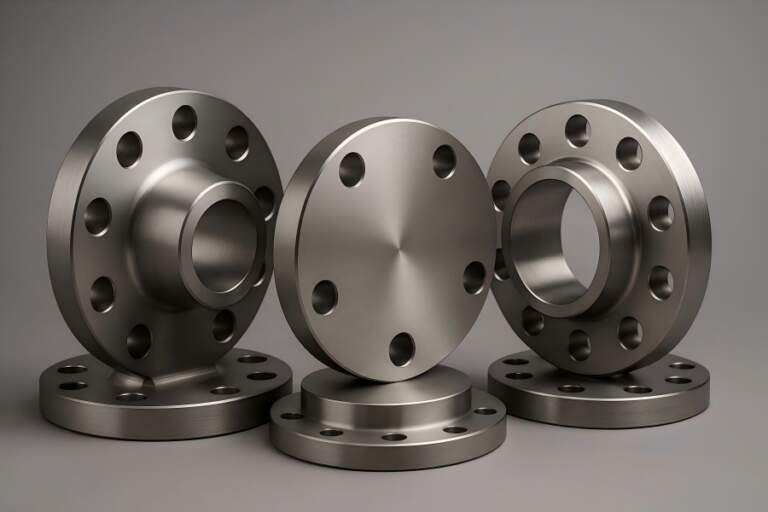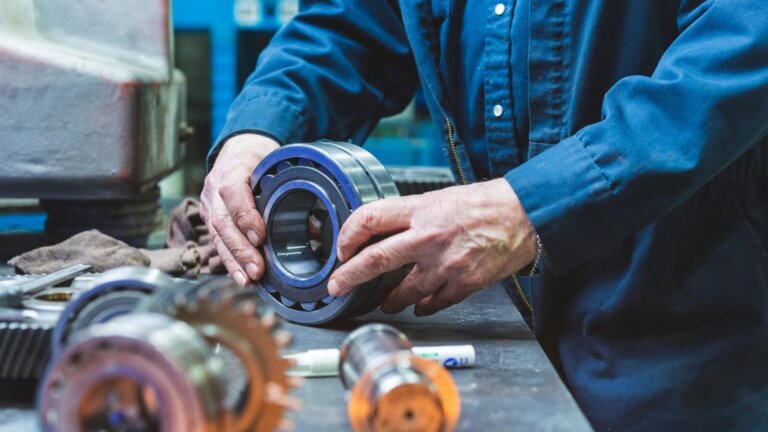

Custom components sound complicated at first. But once you see how things move step by step, it starts to make sense. In Vietnam Precision Machining, the idea is simple. Take a design and turn it into something real that actually works.
Still, the path from idea to finished part is not always smooth.
Understanding custom component requirements
Everything usually starts with a requirement. Sometimes it’s a drawing, sometimes a sample. And sometimes it’s just a rough idea sitting there, not fully clear yet.
Details matter more than people expect. Size, shape, material, purpose. If one of these is unclear, it shows up later during production.
And yeah, sometimes a small missing detail slows everything down.
From design idea to physical product journey
Once things are clear, the design gets prepared. This becomes the guide for the whole process.
Usually it goes like this:
- Design is finalized
- Material is chosen
- Machine is set up
- Machining starts
- Finishing is done
Looks simple on paper. But while the work is happening, small adjustments keep coming in.
Not always planned.
Materials selection based on usage needs
Material choice depends on what the part needs to do.
- Steel for strength
- Aluminum for lighter parts
- Brass for smoother finish
- Plastics for specific use cases
But here is the thing. The same design can behave differently with a different material.
That part catches people off guard sometimes.
Machines involved in shaping custom parts
Different machines are used depending on the part.
Milling machines handle flat shapes. Lathes work on round parts. Multi axis machines are used for more complex designs.
Not every job needs the most advanced machine though.
Sometimes a simpler setup works better.
Why testing is important before final delivery
Testing is where things get checked properly.
Measurements are verified. Surfaces are inspected. Sometimes parts are tested in real conditions. So, most teams just don’t take that risk.
Things beginners often misunderstand
A lot of beginners think once the design is ready, everything just follows smoothly.
But during production, things shift. Materials react differently. Machines need small changes. Even when everything looks fine, adjustments still happen. Not always visible. But happening.
Custom component manufacturing is not just a straight process. It moves, adjusts, and sometimes slows down before getting back on track.
In many situations, Vietnam Precision Machining works better when people expect these small changes instead of assuming everything will go exactly as planned.