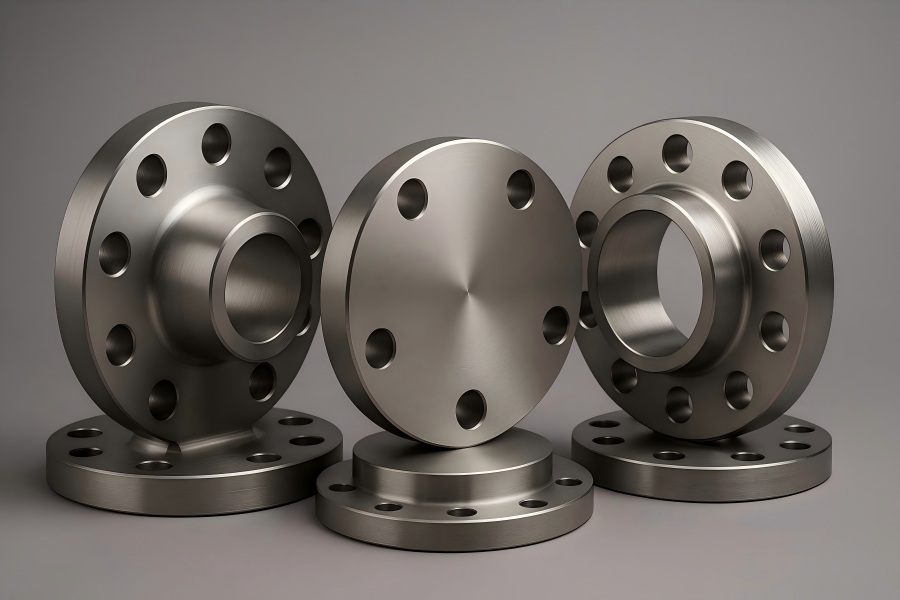

Expansion projects in chemical and oil processing facilities demand careful planning, precise execution, and reliable components. Among the critical elements enabling safe and efficient expansion, blind flanges play a vital role. These components, designed to seal pipe ends, allow facilities to temporarily cap off pipelines, conduct maintenance, or prepare for future connections without compromising safety or operational efficiency.
Facilitating Modular Piping Design
When chemical plants or oil refineries expand, the piping network often grows in complexity. Engineers and project managers must integrate new lines without disrupting ongoing operations. Blind flanges provide a modular solution, enabling engineers to cap existing pipes while constructing or extending new sections.
This adaptability guarantees continuous manufacturing, reducing downtime and preserving steady output. By using blind flanges at strategic points, teams can pre-plan connections for future equipment or pipelines, making subsequent expansions faster and more efficient.
Supporting Safety and Compliance
Safety is paramount in chemical and oil processing environments, where high pressures, flammable materials, and corrosive substances are common. Blind flanges offer a reliable sealing mechanism that isolates sections of piping during construction or maintenance, preventing accidental leaks or exposure to hazardous chemicals.
They also simplify pressure testing, allowing engineers to test new or modified pipelines independently before connecting them to the main system. This isolating feature lowers the possibility of expensive mishaps or shutdowns and is essential for regulatory compliance.
Streamlining Maintenance and Future Upgrades
One of the advantages of incorporating blind flanges during expansion projects is their ability to simplify maintenance. By capping sections of piping temporarily, technicians can work on isolated areas without affecting overall operations. This strategy improves worker safety while minimizing operational disturbance.
Additionally, blind flanges make it easier to plan for future upgrades, as capped lines can later be connected to new equipment or extended systems. For facilities aiming for long-term scalability, this foresight is invaluable.
Material Selection and Quality Considerations
The effectiveness of blind flanges depends heavily on material quality and manufacturing precision. Flanges that can tolerate high pressures, harsh temperatures, and corrosive materials are frequently needed in chemical and oil processing plants.
Forged flanges manufactured to strict specifications provide the strength and durability necessary for such demanding environments. Selecting the right materials, such as stainless steel or high-grade alloys, ensures the flanges maintain integrity over time, preventing leaks and minimizing maintenance costs. Partnering with a trusted forged flanges manufacturer guarantees that components meet the facility’s operational and safety requirements.
Optimizing Installation and Integration
Blind flanges are easy to install, which cuts down on labor expenses and project schedules. In expansion projects, rapid installation is essential to maintain construction schedules and minimize downtime. Experienced mechanical teams, often supplied by a reputable mechanical parts manufacturer, can efficiently integrate blind flanges into complex piping networks.
Precision-engineered flanges ensure tight seals and proper alignment, which is crucial when connecting new sections to existing infrastructure. This precision reduces the likelihood of leaks, pressure losses, or misalignments that could compromise system performance.
Enhancing Project Flexibility
Beyond immediate operational benefits, blind flanges enhance flexibility for long-term strategic planning. Facilities can install flanges at multiple points along pipelines, leaving options open for future equipment additions or system reconfigurations.
This proactive approach enables engineers to adapt the facility to evolving production demands, regulatory changes, or new technologies without requiring major reconstruction. By incorporating blind flanges into expansion planning, companies can future-proof their infrastructure while minimizing project costs.
Conclusion
Blind flanges are indispensable components in chemical and oil processing facility expansions. By providing reliable sealing, supporting safety and compliance, simplifying maintenance, and allowing future scalability, they help facilities manage complex projects efficiently.