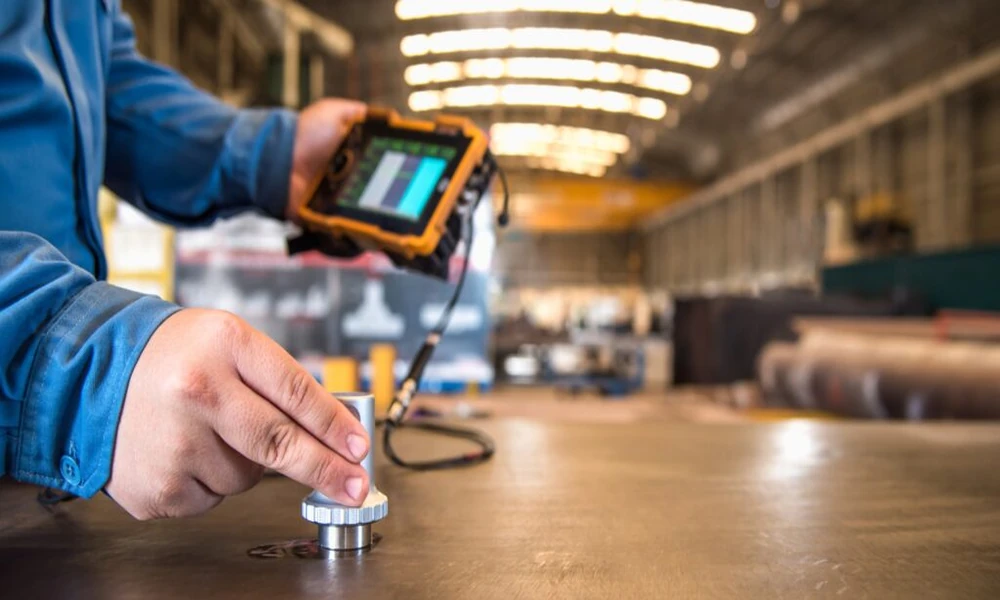

Industrial products must withstand pressure and regular use while meeting required quality standards. Testing helps manufacturers understand the strength and performance of each material before production begins. Accurate checks guide decisions about suitable resources and production methods. A qualified steel testing lab provides useful measurements that help businesses maintain consistent quality and support safer product development.
Importance Of Industrial Testing
Industrial testing helps manufacturers confirm whether raw materials meet required specifications. It measures important properties such as strength, hardness, flexibility, and resistance to wear. These results help production teams select suitable resources for different applications. Regular inspections also support consistent manufacturing by identifying differences between batches before finished products are approved.
Which Properties Need Checking?
Different products require specific physical properties to perform their intended functions. Testing measures these qualities under controlled conditions. Common methods include the following:
- Tensile tests measure the force a sample withstands before breaking.
- Hardness checks assess resistance to scratches and surface damage.
- Impact tests measure energy absorption during sudden force.
- Bend tests evaluate flexibility under controlled pressure.
- Chemical analysis identifies elements that influence strength and durability.
These checks provide useful measurements for production decisions. Selecting appropriate methods helps manufacturers match product requirements with measured performance.
Strength And Product Safety
Strength determines whether industrial products can withstand their expected loads during operation. Testing shows how samples respond when force is applied. Engineers use these findings to establish suitable dimensions and production requirements. Reliable measurements support informed decisions about operating limits. Products that meet established specifications can perform their intended functions more consistently while supporting safer working conditions.
Can Testing Improve Production Quality?
Quality checks help manufacturers identify variations during different production stages. Examining samples allows teams to correct process issues and maintain consistent standards. A steel testing lab can provide detailed reports that help manufacturers compare results across production batches. These findings support better process control and reduce unnecessary waste. Regular testing also helps businesses maintain dependable output while meeting customer requirements.
Standards For Testing Methods
Industrial testing follows recognised standards that define suitable procedures and acceptable performance levels. These guidelines explain how samples should be prepared and examined. Consistent procedures help testing teams produce accurate measurements that can be compared across batches. Manufacturers can use these records to confirm whether products meet required specifications. Clear documentation also supports quality reviews and responsible production decisions.
How Can Results Support Decisions?
Testing reports provide useful information for engineers and production managers. Teams can review measurements before approving batches or adjusting manufacturing methods. Comparing current findings with previous records helps identify changes in product performance. These details also support planning for future production requirements. Using reliable results helps businesses improve product consistency while managing resources effectively and maintaining established quality standards.
Manufacturers can strengthen product quality by including suitable tests throughout production. Reviewing accurate reports helps teams identify improvements and select appropriate manufacturing methods. Working with qualified testing professionals supports consistent standards and informed decisions. Regular assessment also helps businesses maintain dependable products that meet intended requirements while protecting workers and equipment during normal industrial operations.