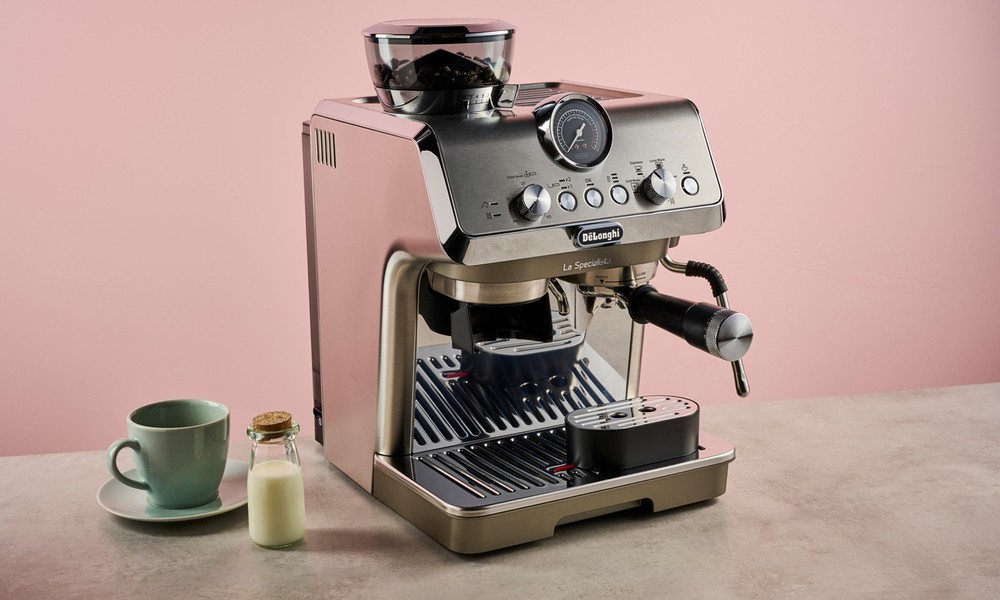

A bean-to-cup coffee machine in Singapore businesses and offices represents the most direct path from whole roasted coffee to a fresh, flavour-accurate cup, with nothing in between that compromises the quality of the result.
The Freshness Principle
Coffee flavour lives primarily in the volatile aromatic compounds released when a roasted bean is ground. These compounds begin to dissipate within minutes of grinding. A coffee capsule sealed at a factory may have been ground days, weeks, or months before it reaches the machine. Pre-ground coffee in a bag loses its aromatics faster than whole beans, even in a sealed container. A bean-to-cup machine, by grinding immediately before extraction, captures the maximum possible flavour in every cup it produces.
This freshness advantage is not a theoretical one. The difference between a cup made from freshly ground beans and a cup made from pre-ground coffee of the same origin and roast level is perceptible to most regular coffee drinkers, and significant to those who pay attention. In a workplace context where coffee quality is an observable amenity, this difference shows up in the daily experience of every person who uses the machine.
How Bean to Cup Works
The operational sequence of a bean-to-cup coffee machine begins with whole roasted beans loaded into the machine’s hopper. At the point of each order, the grinder activates and produces ground coffee at the correct particle size for the selected drink. The ground coffee is dosed into the brew group, tamped to the correct pressure, and extraction begins through a calibrated pump. The resulting espresso is combined with water for Americano-style drinks or with steamed milk for cappuccino, flat white, or latte variations.
The entire sequence takes under ninety seconds for most commercial units. The result is a cup that, in a well-maintained machine using quality beans, matches the output of a skilled barista with good equipment.
Singapore’s Coffee Culture and the Bean-to-Cup Advantage
Bean-to-cup coffee machine Singapore adoption has been growing across offices, co-working spaces, and hospitality venues as awareness of coffee quality has risen alongside the expansion of Singapore’s specialty coffee scene. Teams that have experienced genuinely good coffee in cafes and independent roasteries bring that expectation back to the office. A bean-to-cup machine meeting this expectation signals that the employer takes the details of the workplace experience seriously.
This signal matters in the context of Singapore’s competitive talent market. Small but consistent positive impressions – a well-equipped pantry, a good coffee machine, a genuine attention to daily comfort – accumulate into a workplace culture that retains people.
Bean Selection for the Machine
The beans loaded into a bean-to-cup machine determine the character of every cup produced. Key considerations for bean selection:
- Roast level: medium roast beans are the most broadly palatable in an office setting, offering a balance between acidity, sweetness, and body
- Freshness: beans within two to four weeks of their roast date produce the best results; beyond six weeks, aromatic complexity begins to decline noticeably
- Grind compatibility: the machine’s grinder should be calibrated for the specific bean density and desired particle size, which varies slightly between origins and roasts
- Blend vs single origin: blends designed for espresso machines offer consistency across harvests; single origins offer distinctive character but require recalibration when the supply changes
“The quality of what you put in determines the quality of what comes out.” – Lee Kuan Yew.
This holds precisely for coffee. The machine is the tool; the bean is the ingredient that determines the result.
Maintenance for Consistent Performance
A bean-to-cup machine that is not maintained regularly produces progressively worse coffee as coffee oil builds up in the brew group, grinder burrs wear, and scale accumulates in the water circuit. Maintenance requirements include:
- Daily cleaning of the brew group and drip tray
- Weekly backflushing with a cleaning tablet
- Monthly descaling of the water circuit
- Periodic grinder calibration as burrs wear and dosing weight drifts
- Annual professional service for inspection of seals, gaskets, and internal components
Choosing a Supplier for Bean-to-Cup Coffee
A bean-to-cup espresso system supplier who also provides fresh bean supply and maintenance support offers the most coherent solution. Managing the machine and the beans through separate suppliers creates coordination complexity that a single relationship avoids.
Suppliers who offer machine rental alongside bean supply and maintenance under one agreement remove the management burden from the client entirely, converting the coffee solution into a fully managed service that requires only a monthly payment and the daily habit of pressing a button.
A bean-to-cup coffee machine, Singapore office teams use well, becomes one of the more appreciated fixtures of the workplace – producing fresh, premium coffee that genuinely reflects the quality of what specialty roasting and good equipment can achieve.