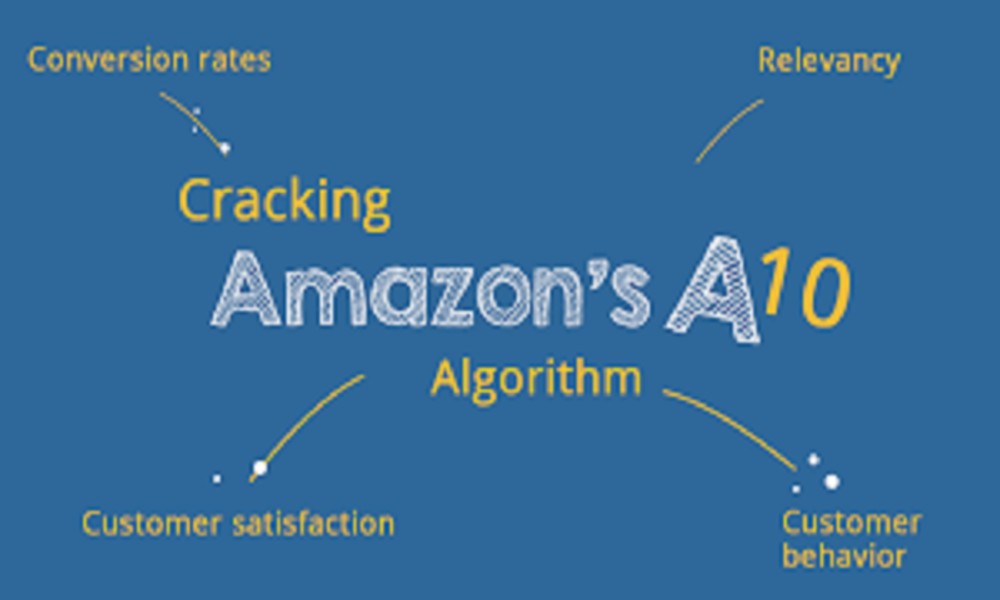

There is a lot of mystique around the Amazon algorithm, and most of it is wasted energy.
People treat A9 and A10 like a vault they need to crack, full of secret tricks that will rocket a listing to the top if only someone would whisper the password. The reality is calmer and far more useful than that. Amazon ranks listings to make money. Once you really absorb that one sentence, most of the so-called secrets turn into common sense.
Let me break down what the system is actually trying to do and what that means for your listing this year.
The Algorithm Has One Job
Amazon wants to show the shopper the product most likely to sell, because Amazon takes a cut of every sale. That is the whole motive. Every ranking signal is just a proxy for one question. Will this listing turn this search into a purchase?
So when you ask how the Amazon ranking algorithm works, the honest short answer is that it predicts purchase likelihood and ranks accordingly. Relevance gets you into the race. Conversion keeps you near the front. Everything else is detail sitting underneath those two ideas.
Relevance Still Starts With The Words On The Page
You cannot rank for a search you have not told Amazon you are relevant to. That part has not changed. Your title, bullets, backend search terms, and description are how the system understands what you sell and who should see it.
What has changed is that keyword stuffing is dead and slightly embarrassing. A title crammed with every phrase you could think of reads like spam to shoppers and converts worse, which then hurts the very ranking you were chasing. The move in 2026 is to cover your important terms naturally, in language a human actually wants to read, placed where it carries the most weight. That balance between being findable and being readable is the real craft of Amazon listing optimization, and it is worth getting right because every other signal builds on top of it.
Conversion Is Where Rankings Are Won Or Lost
Here is the part that trips people up. Two listings can target the identical keyword, and the one that converts better will win over time even if it started lower. Amazon notices that shoppers who search this term and land on your page tend to buy, and it rewards you with more of that traffic. It also works in reverse, which is the uncomfortable bit.
That is why traffic without conversion is a trap. Pouring ad spend onto a page that does not convert does not just waste money. It can teach the algorithm that your listing is a weak answer for that search, and you can actually slide down. Fix the page first. Then send it traffic.
Images and A Plus Content Do More Than Look Nice
People think of design as decoration. The algorithm treats it as conversion fuel, which means it is ranking fuel too.
Your main image earns the click. Your secondary images and infographics answer the questions that would otherwise send a shopper back to search. Your enhanced brand content carries the rest of the story for shoppers who scroll, and there is a real gap between the standard tier and the premium tier in how much room and impact you get. If you have never looked closely at that gap, this breakdown of A plus vs Premium A plus content is a useful primer on what each level lets you do. Better content lifts conversion, and better conversion lifts rank. It is all the same lever.
The Boring Signals That Quietly Matter
A few unglamorous things sit underneath everything else. Staying in stock matters, because a listing that keeps going dark loses momentum every time it returns. Pricing competitively matters, because price is a huge conversion factor and the algorithm knows it. Healthy reviews matter, not as a vanity number but as social proof that nudges the purchase. Fast reliable fulfilment matters. None of these are tricks. They are simply the fundamentals of being a product people actually want to buy, which is the only thing the algorithm has ever really been measuring.
If you want a simple way to hold all of this in your head, try this. Stop asking how to beat the algorithm and start asking how to be the obvious best choice for a specific search. Be clearly relevant. Convert better than the listing next to you. Stay in stock, priced fairly, backed by real reviews and content that does its job. Do that and you are not fighting A9 or A10. You are giving it exactly what it wants, which is the only strategy that has ever lasted on Amazon.
And if you would rather have a team handle the listing side of that while you run the business, that is the work we do every day at Sellers Umbrella.