
Key Highlights
- Reduction in material waste through uniform sizing.
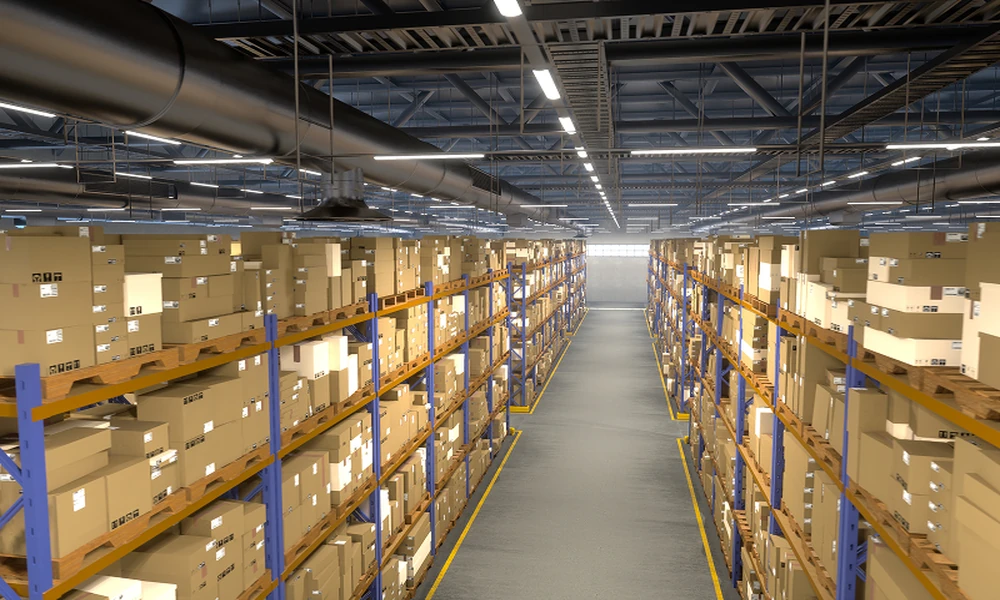
- Improved warehouse logistics and stacking efficiency.
- Enhanced brand recognition with consistent outer presentation.
Introduction
In the fast-paced world of e-commerce and global trade, the packaging process is often the final hurdle before a product reaches the customer. However, many businesses overlook the immense benefits of standardisation within this department. Standardising your packaging process is not merely about aesthetic consistency; it is a strategic move designed to streamline operations, reduce overheads, and ensure that every item leaving your facility meets a rigorous quality benchmark. By creating a uniform approach to how items are protected and shipped, companies can mitigate risks associated with transit damage and human error.
The Importance of Material Uniformity
One of the primary steps in achieving a streamlined workflow is the procurement of consistent materials. When companies invest in wholesale packaging supplies, they gain the ability to define specific dimensions and strengths for their boxes and mailers. This uniformity allows for predictable packing times and ensures that staff are not constantly searching for the “right sized” box for every unique order. Furthermore, standardising the gauge of stretch film or the width of adhesive tape ensures that every parcel is secured with the same level of integrity. This approach significantly reduces material waste as employees no longer need to over-wrap items to compensate for poor-quality or irregular materials.
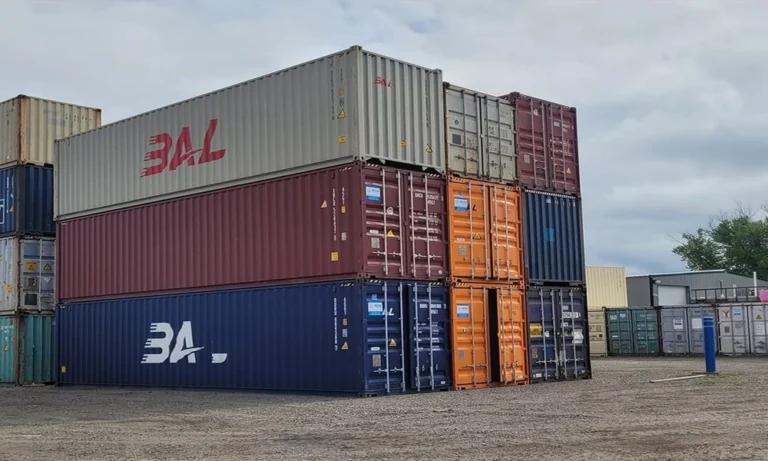
For businesses involved in larger scale relocations or bulk storage, the same logic applies to wholesale moving supplies. Utilising standardised crates and heavy-duty moving boxes ensures that stacking patterns remain stable during transit. When every box shares a common footprint, warehouse space is utilised more effectively, and the risk of loads shifting or collapsing is greatly diminished. Standardisation also simplifies inventory management; when you use fewer variations of supplies, tracking stock levels becomes a much more manageable task, allowing for more accurate forecasting and bulk purchasing power.
Enhancing Operational Efficiency
Beyond the physical materials, standardising the actual process of packing is vital. This involves creating specific guidelines for how many layers of cushioning are required and how tape should be applied. When these steps are standardised, the training of new staff becomes significantly faster and the results are more reliable. This consistency is particularly important for brand perception. A customer who receives a neatly packed, professional-looking parcel is far more likely to trust the brand than one who receives a box that appears haphazardly taped or poorly fitted.
Conclusion
Standardising the packaging process is an essential evolution for any growing business. It bridges the gap between simple shipping and professional logistics. By focusing on material consistency and procedural guidelines, businesses can save time, protect their bottom line, and deliver a superior customer experience. The investment in a uniform system pays dividends in the form of reduced errors and a more resilient supply chain.
Ready to optimise your operations? Contact us at PackInk today to discover how our high-quality packaging solutions can help you standardise your process for maximum efficiency.