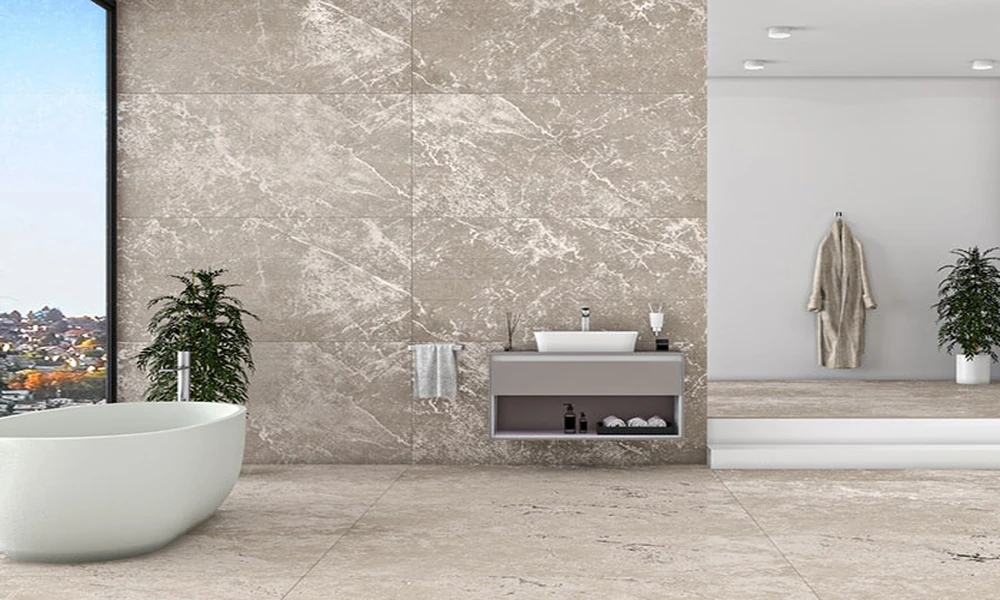

A single patterned wall can change how a room feels. Decorative tiles shape light, scale, and mood at once. Behind every striking surface sits careful, disciplined production. Here, a leading oem ceramic tile manufacturer converts sketches into dependable batches. Glaze, format, and pattern then decide the final effect. A terrazzo-look floor and a hand-glazed backsplash solve different problems. From entryways to showers, placement changes everything. Finish, upkeep, and color pairing deserve equal attention. Small choices here carry large visual weight.
Pattern Sets the Room’s Visual Rhythm
Geometric motifs pull the eye along a defined path. Encaustic-style floors make a narrow hallway feel intentional. Larger rooms respond differently. A patterned inset can anchor furniture groupings without walls. Zellige, with its irregular glaze, adds movement through reflected light. Scale of motif matters too. Subtle repetition calms; bold contrast energizes.
Can Tile Size Alter Perceived Room Scale?
Format influences proportion more than color does. Large porcelain slabs reduce grout lines in compact bathrooms. The floor then reads as one continuous plane.
- Large formats make small spaces seem wider.
- Mosaics grip wet floors better than slabs do.
- Vertical subway layouts draw ceilings visually upward.
- Herringbone patterns add motion to long corridors.
Glaze Finish Shapes Light and Maintenance
Gloss surfaces bounce daylight deep into dim kitchens. Yet the same shine reveals water spots quickly. Matte glazes hide smudges and add grip underfoot. For a spa-like bathroom, satin finishes strike a balance. Lappato options sit between, offering soft sheen without glare. Crackle glazes suit feature walls rather than busy counters.
Why Does Manufacturing Consistency Matter for Designers?
Color variation between batches can ruin a seamless floor. Shade codes and caliber ratings exist for this reason. Custom glazes stay steady with a leading oem ceramic tile manufacturer. Hotels and restaurants rely on that repeatability. A lobby reorder five years later still matches the original. Rectified edges also allow tighter, cleaner grout joints.
Which Rooms Suit Bold Decorative Tile Choices?
Placement decides whether boldness feels curated or chaotic.
- Powder rooms welcome daring, dramatic patterns.
- Fireplace surrounds handle strong color well.
- Stair risers suit playful, hidden accents.
- Shower niches reward small, vivid mosaics.
Entry floors also make a strong first impression. Primary bedrooms, by contrast, benefit from quieter textures.
Grout Lines Carry the Final Design Message
Rectified edges and slim joints seem like technical footnotes. In practice, grout color often outweighs the tile itself. Charcoal grout turns plain white subway pieces into graphic outlines. Matching grout lets zellige glaze shimmer without interruption. So the quietest decision in a renovation frequently speaks loudest.
FAQs
Are decorative tiles suitable for high-traffic floors?
Porcelain rated PEI 4 or above withstands heavy footfall well. Hand-painted wall pieces belong on vertical surfaces instead.
Can patterned tiles work in small apartments?
Yes, when the pattern stays on one focal surface. A single backsplash adds character without crowding the layout.
How should decorative tiles be cleaned?
Mild pH-neutral cleaners protect glazes and grout alike. Acidic products can etch natural stone and dull finishes.
Is it wise to order extra tiles?
Buying ten percent extra covers cuts and future repairs. Later production batches may differ slightly in shade.